
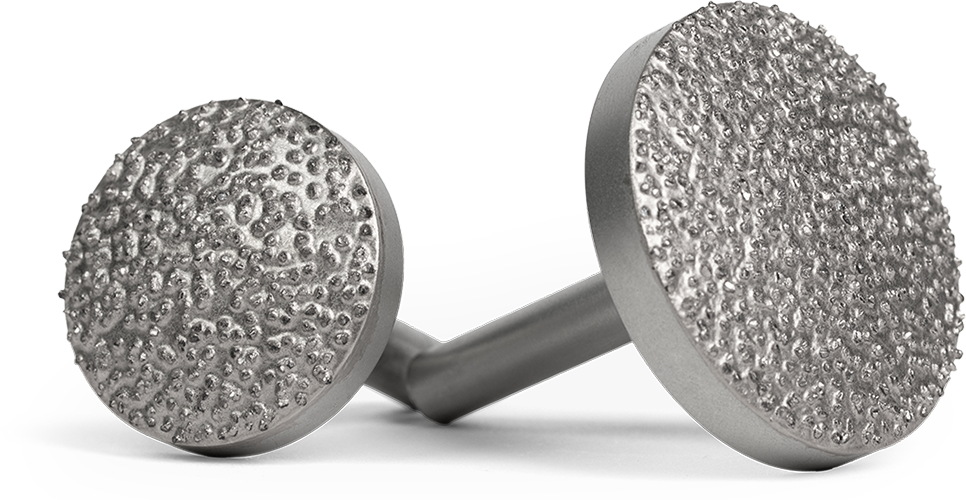

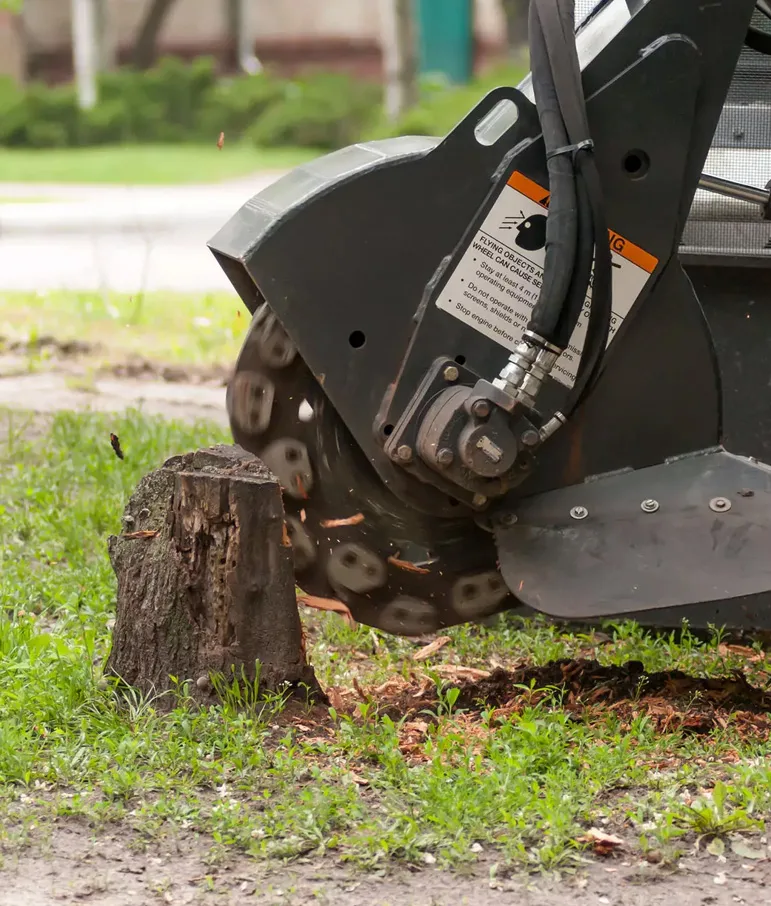
Dull stump grinder teeth slow jobs down, put more strain on your machine, and drive up replacement costs.
ArborEdge helps you maintain cutting performance before having to replace or retip your teeth, so you can perform effectively, reduce wear and tear on your equipment, and reduce your tooling costs by up to 50%.
Better Efficiency
Less Wear & Tear
Extend Teeth Life
Find the Right Tool For Your Grinder
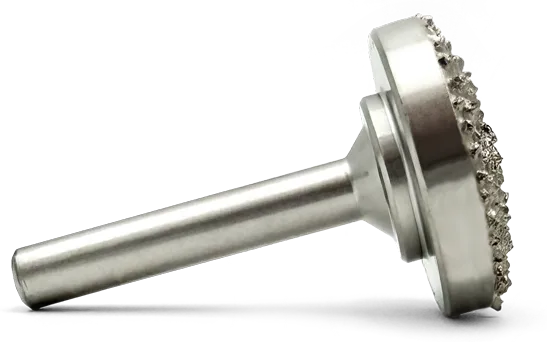
Smaller Diameter Tool
Ideal for smaller teeth with less carbide surface area and tighter pockets, where a compact tool provides better access and control.
Designed for applications including Vermeer S-Pro, smaller-profile Rayco and Bandit-style teeth, and Greenteeth 500 and 700 Series.

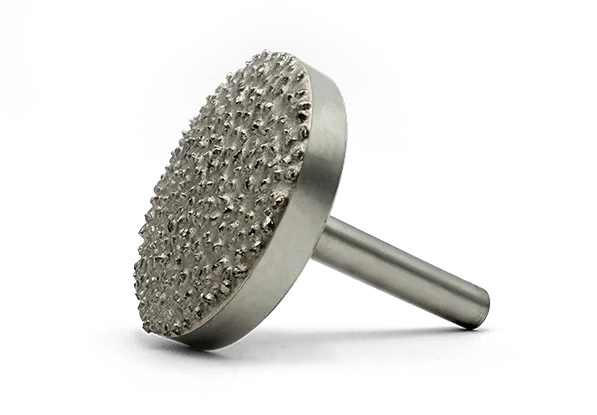
Larger Diameter Tool
Ideal for larger teeth with more carbide surface area and flatter cutting surfaces. The wider head covers more edge per pass for faster, more consistent sharpening.
Designed for larger-profile Vermeer, Rayco, and Bandit-style teeth, Yellow Jacket teeth, and Greenteeth 900 and 1100 Series.
Important Our Stump Grinder Sharpening Tools use diamond coated abrasive that is designed to cut carbide. Using these tools to cut or sharpen hardened steel will quickly render your tool useless.
Not Sure Which One to Choose?
Reach out to us with your questions and we’ll point you in the right direction for the tool that makes sense for your setup.
Contact Our TeamWhy ArborEdge
Your stump grinder is a major investment, and dull teeth make it work harder than it should.
That means more strain on bearings and other components, more fuel burned, slower cutting, and more money spent replacing teeth that still have usable carbide left. ArborEdge gives you a simple way to keep those teeth working better longer so you can protect your equipment and get more value from every set of teeth.
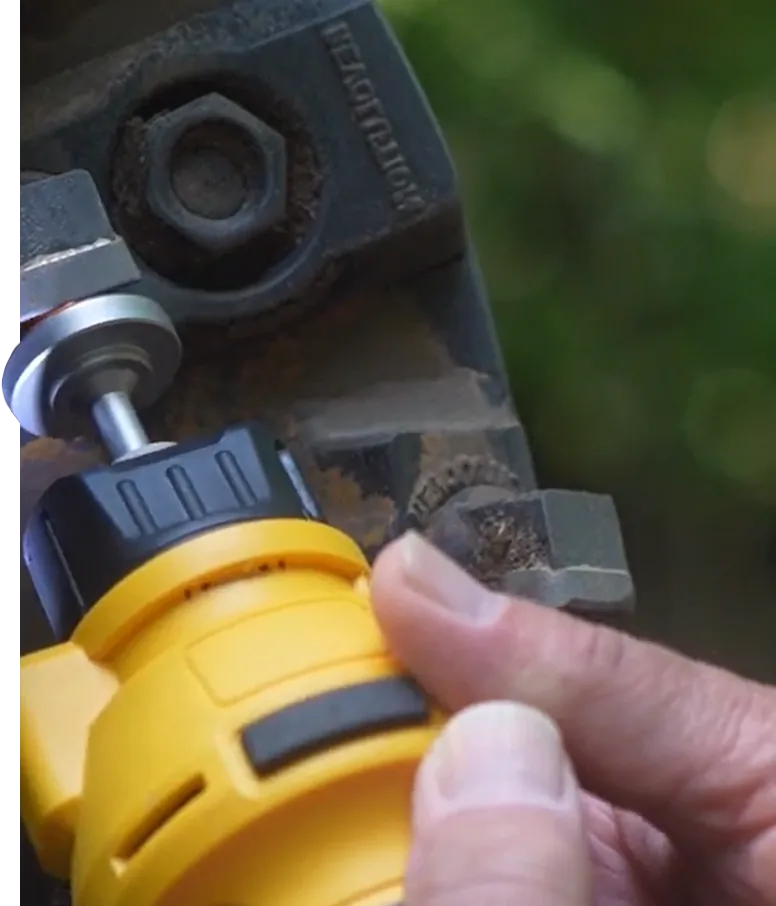
Why That Matters:
Helps you get more usable life from each tooth
Helps reduce strain on bearings and other components
Helps maintain better cutting performance
Helps cut down on wasted fuel
Makes routine maintenance easier to keep up with
Sharpen teeth right on the machine or back in the shop
Built for the Way You Work
ArborEdge gives everyone who does stump grinding a practical way to stay ahead of wear before it turns into lost time, rising costs, and frustrated operators.
A Simple Plan


For Tree Care Companies
Keep Jobs Moving Without Overworking the Machine
For tree crews, dull teeth mean slower grinding, higher fuel use, more machine strain, and more wear on expensive teeth.
ArborEdge helps crews stay ahead of that drop in performance with a maintenance step that is practical, takes very little time, and can be done in the field or the shop.
Why It Matters:
Get more usable life from every tooth
Keep stump grinding jobs moving faster
Delay unnecessary retipping or replacement
Reduce strain on the grinder
Help control fuel waste
For Rental Companies
Send Equipment Out
Ready to Perform
Rental customers notice dull teeth right away. The machine feels slower, works harder, and creates a frustrating experience.
ArborEdge helps rental operations touch up teeth between rentals so equipment goes back out performing better and putting less unnecessary strain on your equipment.
Why It Matters:
Improve equipment performance between rentals
Reduce avoidable tooth replacement
Help protect the grinder from excess wear
Improve renter satisfaction
Add a simple maintenance step to turnaround
Frequently Asked Questions
Yes. Stump grinder teeth can be sharpened, depending on the style of tooth, how much carbide is left, and how far the tooth has worn. The key is catching wear early enough that the tooth still has usable life left in it.
The earliest signs are usually slower cutting, reduced production, and a more rounded cutting edge. If the machine feels like it is working harder than usual, that is often a sign the teeth need attention.
That depends on how often you grind, job site conditions, and how quickly performance drops off. It is always better to perform regular sharpening maintenance before the teeth get badly worn, than to wait until cutting performance has fallen off completely and the teeth are too far gone to be saved.
Yes. When teeth are expensive and still have usable carbide left, sharpening can help you get more value from each set and reduce how often you need to buy replacements.
With regular maintenance, most stump grinding teeth can be sharpened between 10 to 15 times.
Yes. Dull teeth can do more than slow cutting down. They can increase vibration, put more strain on the machine, and contribute to extra wear on components like pockets, bearings, and other parts of the cutting system.
They can. When teeth are dull, the machine has to work harder to keep cutting, which can mean less efficient operation and more fuel burned to do the same job. That is one reason it pays to stay ahead of wear.
Yes, Greenteeth and Yellow Jacket-style teeth can be sharpened quickly, depending on tooth condition and remaining carbide.
More frequent sharpenings are usually the better. Waiting too long can shorten the total usable life of the tooth and push you closer to replacement sooner than necessary.
You should also keep an eye on pockets, bolts, hardware, guards, and debris buildup around the wheel area. A tooth is only part of the system, and worn or loose hardware can create bigger problems if it gets ignored.
ArborEdge tools are designed to touch up stump grinder teeth between major service intervals so crews and equipment managers can maintain better cutting performance, reduce unnecessary strain on the grinder, and get more usable life from expensive teeth.
No. ArborEdge is best used as a maintenance tool. . It helps you stay ahead of wear, but it does not replace retipping, or replacement.
The smaller diameter tool is usually the better fit for smaller teeth and tighter clearances because it gives you better access and control around the tooth.
The larger tool is usually the better fit when you want more sharpening surface area, are working with larger teeth, or want a tool that will typically last longer over time.
You may be able to, but it is not usually ideal. On smaller teeth and in tighter spaces, the larger tool can be harder to position cleanly and may give you less control.
Both. Arborists care about keeping jobs moving, protecting the grinder, and getting more life from expensive teeth. Rental companies care about sending equipment back out performing better, reducing avoidable wear, and improving the customer experience between rentals.
Yes. A machine with sharper teeth performs better for the next customer, and that can help reduce complaints, reduce abuse caused by dull tooling, and protect the equipment between rentals.
At minimum, inspect the teeth, pockets, hardware, guards, loose fasteners, fluid levels, and any obvious debris buildup or damage. A simple inspection can help catch performance and safety issues before the next rental.